

Dasanat 50mg Tablet
- Estimated Delivery : Up to 4 business days
- Free Shipping & Returns : On all orders over $200
Brand Name: Dasanat 50mg Tablet |
|---|
Product Name: : Dasatinib |
|---|
| Package Size : 60 Tablet(S) In A Bottle |
|---|
Dasanat 50mg Tablet (Dasatinib) is a potent tyrosine kinase inhibitor (TKI) and established first-line therapy for chronic myeloid leukemia (CML) across all phases including chronic, accelerated, and blast crisis. Composition: Each tablet contains 50mg Dasatinib monohydrate as the active pharmaceutical ingredient, along with pharmaceutical excipients ensuring optimal bioavailability and stability. Indications: Dasanat tablets are prescribed for newly diagnosed chronic-phase CML, treatment of advanced-phase CML resistant to prior TKI therapy, Philadelphia chromosome-positive (Ph+) acute lymphoblastic leukemia (ALL), and additional BCR-ABL associated hematologic malignancies. Clinical efficacy demonstrates superior molecular response rates compared to imatinib when used as first-line therapy. Contraindications: Absolute contraindications include hypersensitivity to Dasatinib or formulation components, severe hepatic impairment, and concurrent use with strong CYP3A4 inhibitors. Relative contraindications require careful monitoring in patients with cardiac arrhythmias, QTc prolongation, or severe renal dysfunction. Drug Interactions: Significant interactions occur with CYP3A4 inhibitors (ketoconazole, ritonavir), CYP3A4 inducers (rifampin, phenytoin), and antacids (must separate dosing by 2 hours). Concurrent use with warfarin requires INR monitoring. Dosage & Administration: Standard dosing for chronic-phase CML is 100mg once daily, while accelerated phase or blast crisis requires 70mg twice daily. Tablets should be swallowed whole with water, taken with or without food. Storage: Dasanat tablets must be stored at room temperature (15-30°C) in original packaging, protected from moisture and light. Side Effects: Common adverse effects include pleural effusions (5-10%), fluid retention, gastrointestinal disturbances (nausea, vomiting, diarrhea), musculoskeletal pain, and fatigue. Rare but serious adverse events include QTc prolongation, bleeding complications, and hepatotoxicity. Precautions & Warnings: Regular blood count monitoring (CBC) is mandatory during initial therapy and at least monthly thereafter. Baseline ECG and electrolyte panel assessment is essential. Patients experiencing signs of infection, unusual bleeding, severe dyspnea, or chest pain should seek immediate medical attention. Pregnancy: Dasanat is teratogenic and contraindicated in pregnancy (Category X); effective contraception is mandatory for females of childbearing age. Lactation: Transfer into breast milk cannot be excluded; breastfeeding is not recommended during treatment. Substitutes & Alternatives: Alternative second-generation TKIs include Nilotinib (Tasigna), Bosutinib (Bosulif), Ponatinib (Iclusig), and third-generation agents for resistant cases. Patients transitioning between TKIs require hematology specialist oversight and molecular monitoring. FAQs: Common patient questions address expected time to molecular response (typically 3-12 months), management of side effects, and suitability for long-term therapy. Drug cost varies; consult your physician or pharmacist for coverage options. Expected Response Timeline: First-month reviews confirm tolerance; three-month BCR-ABL transcript monitoring assesses therapeutic efficacy; six-month major molecular response (MMR) indicates successful disease control. Book Urgent Doctor Consultation: Immediate expert hematology-oncology consultation recommended for therapy initiation, side effect management, disease monitoring, and treatment adjustments. Schedule Laboratory Tests: Monthly CBC initially, then quarterly; baseline and three-monthly ECG; BCR-ABL quantitative PCR at specific intervals for treatment response assessment.
Only logged in customers who have purchased this product may write a review.
Related products
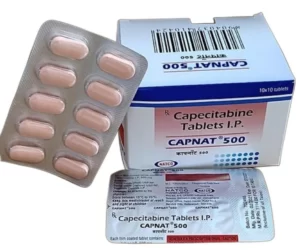
Capnat 500mg Tablet
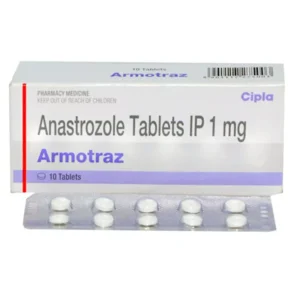
Original price was: ₹1,114.₹359Current price is: ₹359.Armotraz 1mg Tablet
Original price was: ₹760.94.₹372Current price is: ₹372.Anastronat 1mg Tablet
Original price was: ₹400.₹200Current price is: ₹200.Bracanat 150mg Tablet
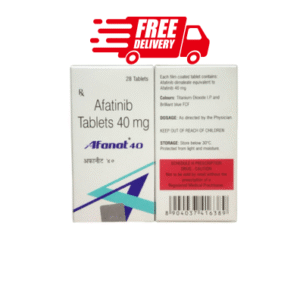
Original price was: ₹22,500.₹17,000Current price is: ₹17,000.AFANAT 40
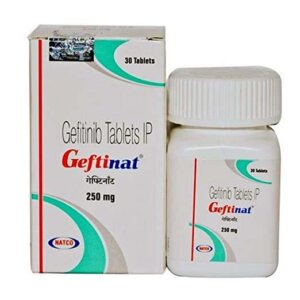
Original price was: ₹5,630.₹4,404Current price is: ₹4,404.Geftinat 250mg Tablet
Original price was: ₹5,900.₹2,830Current price is: ₹2,830.




 NIMESULIDE 100 MG DISPERSIBLE TABLET
 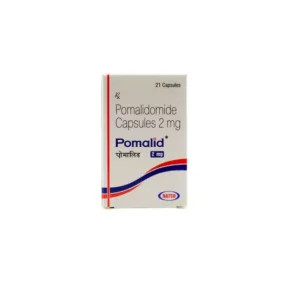 Pomalid 2mg Capsule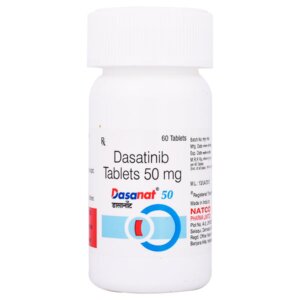
Reviews
There are no reviews yet.